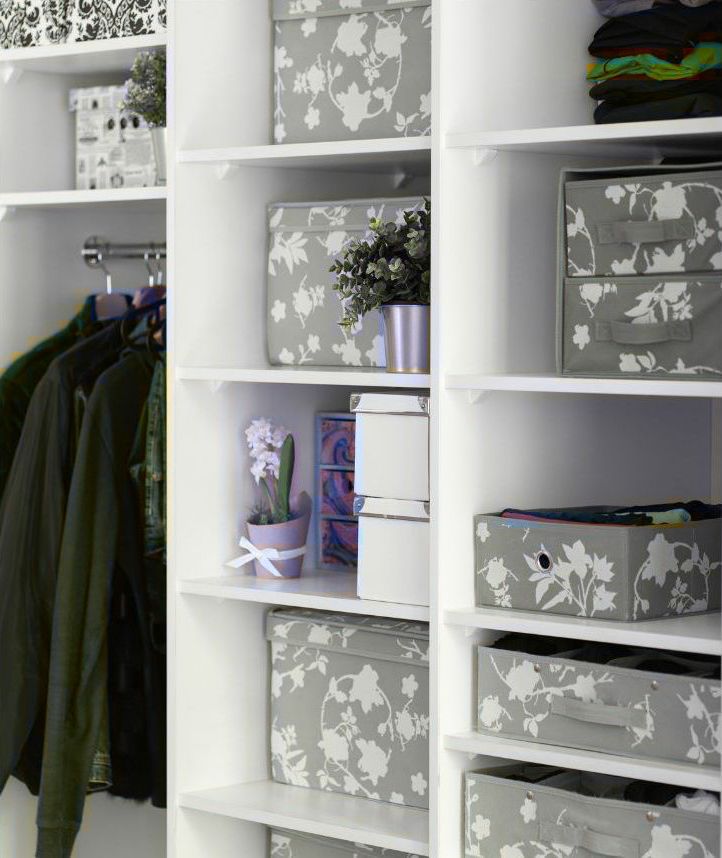
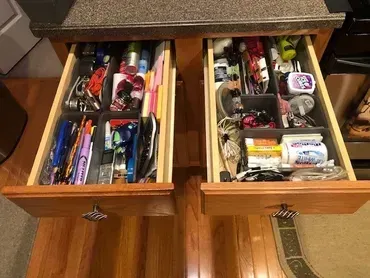
For families in the Chicago suburbs, this transition can involve several closets, children who outgrow clothing quickly, and limited storage space. It is not simply a matter of moving hangers. The process also involves decisions, cleaning, categorizing, container selection, and creating a system everyone can maintain.
What Should Be Included in a Winter Wardrobe Transition?
A thoughtful seasonal closet swap considers more than the main bedroom closet. Depending on your household, the project may include:
- Primary bedroom and guest-room closets
- Children’s clothing and hand-me-downs
- Mudroom coats, shoes, backpacks, and accessories
- Linen closets and cold-weather bedding
- Entryway storage for hats, gloves, and scarves
- Basement, attic, or under-bed seasonal storage
Winter clothing is also bulkier than summer clothing. A system that worked for lightweight shirts may not work for thick sweaters and snow gear. The storage plan must account for garment weight, moisture, airflow, and daily accessibility.
The Seasonal Closet Swap Process
A professional organizer approaches the transition as a complete home project rather than a rushed weekend chore. The goal is to make the wardrobe easier to use now and easier to change again next season.
Reviewing What You Own
The process begins by looking at the full collection of seasonal clothing. Items are grouped by person and category so it becomes clear what is available, what is missing, and what is no longer serving the household.
This is often when families discover duplicate coats, unworn sweaters, single gloves, damaged boots, and clothes that no longer fit. A professional can keep the process moving while helping you make practical decisions without turning the project into an emotional all-day event.
Sorting by Use and Condition
Winter items can be separated into clear categories:
- Keep and wear this season
- Store for next year
- Repair or clean before storage
- Donate or sell
- Recycle or discard
This structure prevents unsuitable clothing from taking up prime closet space. It also reduces the chance of storing an item that is stained, damp, damaged, or unlikely to be worn again.
Creating Accessible Zones
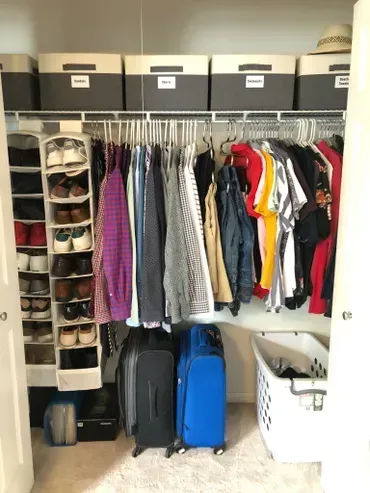
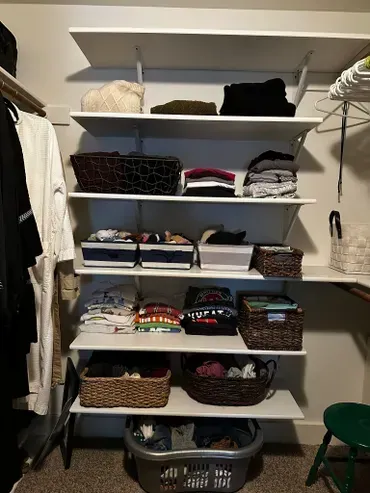
Frequently used items should be easiest to reach. Everyday coats may belong near the entry, while occasional formalwear can remain farther back. Gloves, hats, and scarves work best in labeled drawers, baskets, or compartments where family members can find them quickly.
Children benefit from low hooks and accessible bins. Adults may prefer coordinated hangers, shelf dividers, or vertical storage. The right solution depends on the space and the habits of the people using it.
When you hire us, we can help with:
- Planning the wardrobe transition around your home and family
- Decluttering clothing that is worn out, unused, or outgrown
- Identifying items that need cleaning, repair, donation, or recycling
- Selecting and using storage solutions already available in your home
- Creating simple systems for coats, shoes, accessories, and seasonal bins
What Makes a Closet System Easy to Maintain?
A successful system should reduce decisions, not create more of them. Each category needs a clear home, and that home should match how your family actually moves through the space.
For example, a family that leaves through the garage may need coat hooks and boot trays there rather than in a formal entryway. Someone who gets dressed quickly may benefit from a smaller everyday wardrobe and separate storage for special-occasion clothing. A child may need picture labels or open bins instead of lidded containers.
Maintenance becomes easier when:
- Similar items are stored together.
- Daily-use pieces are within easy reach.
- Storage containers are not overfilled.
- Labels are clear and consistent.
- The household agrees where items belong.
A professional organizer helps translate these principles into a setup that feels natural in your home.
How Can You Prepare Before Your Organizer Arrives?
You do not need to empty every closet or make decisions in advance. In fact, trying to complete the project first can make it harder to see what support you need.
A few simple preparations are helpful:
- Think about the areas that frustrate you most.
- Note clothing categories your family struggles to find.
- Identify items that need special cleaning or repair.
- Gather any existing bins, hangers, or garment bags.
- Consider whether donations should be removed immediately.
You can also review the
organization projects gallery
for ideas about how customized systems can look in real homes. The finished result does not need to be perfect or expensive. It needs to be functional, visible, and realistic to maintain.
Winter Storage Mistakes to Avoid
Many seasonal storage problems begin with good intentions. Clothing gets placed into a container quickly, only to return months later wrinkled, musty, or difficult to identify.
Avoid storing garments that are damp, dirty, or damaged. Do not pack delicate pieces into overcrowded bins, and avoid placing heavy items where they can crush lighter fabrics. Unlabeled containers create unnecessary searching, especially when multiple family members share storage.
It is also risky to store everything without reviewing fit and condition. Children may outgrow clothing before the next winter, and adults may change sizes or preferences. A seasonal transition is a useful opportunity to prevent unsuitable items from returning to the closet.
A Calmer Winter Entryway
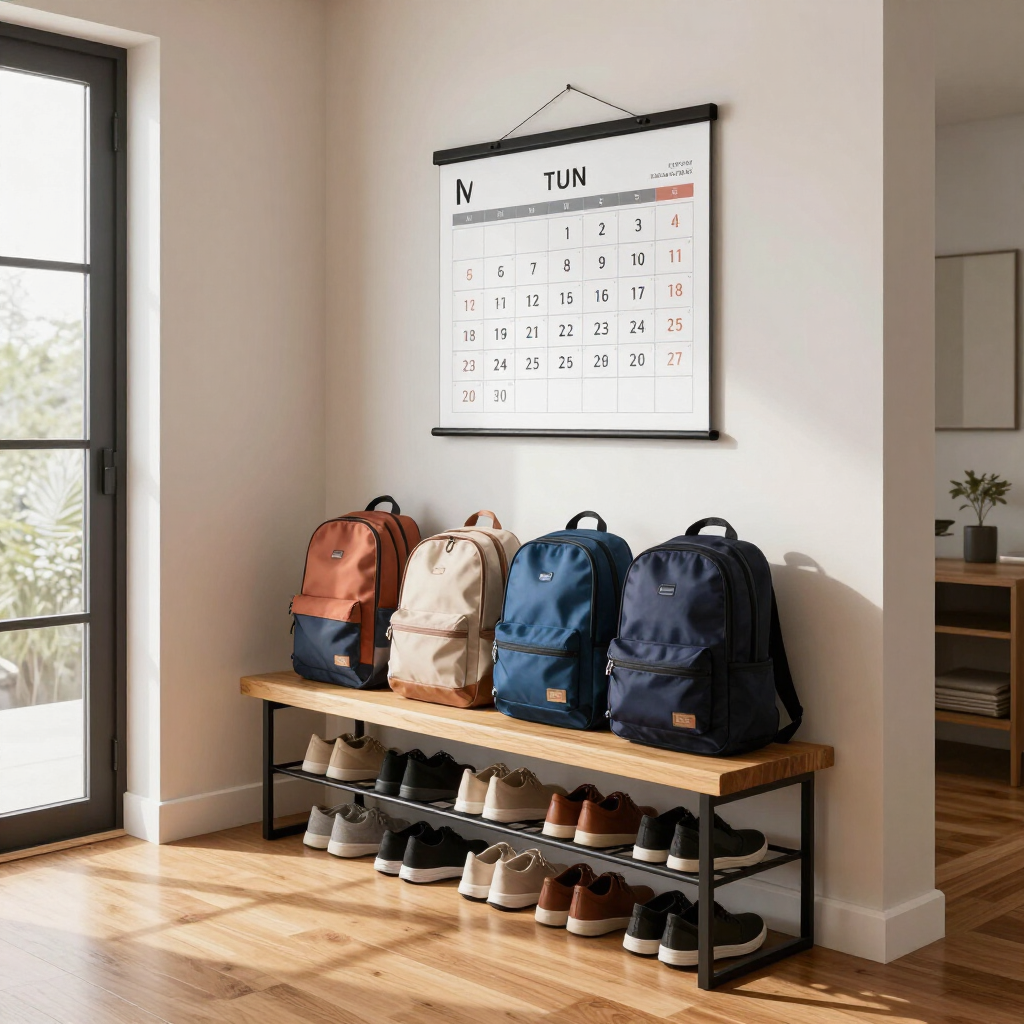
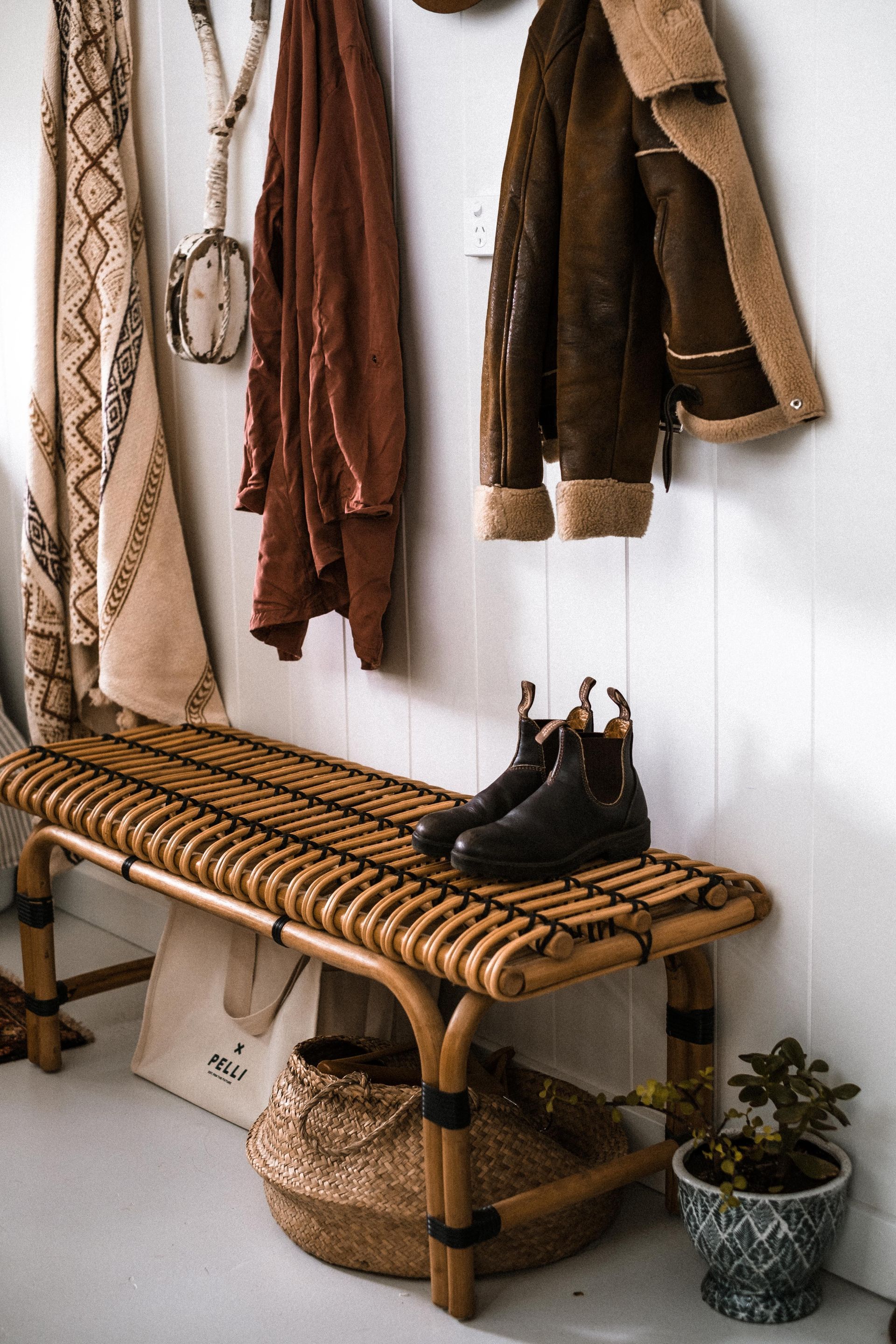
The closet swap should connect to the rest of your home. Winter organization works best when the mudroom and entryway can handle the volume of coats, shoes, school bags, sports equipment, and wet-weather accessories.
A coordinated setup might include a dedicated place for each person, a boot tray for wet footwear, hooks at usable heights, and a basket for small accessories. These details reduce visual clutter and make it easier to leave the house on time.
We tailor each project to your priorities, available space, and household routines. Our goal is not to make you buy more products. It is to help you use your home more efficiently and create a sense of calm that lasts beyond the day of the appointment.